![]()
Global brand expansion requires more than simply scaling domestic success, it demands a deep understanding of cultural nuances, consumer behavior, and market dynamics across borders.
For Indian brands targeting international audiences, especially the diaspora, working with a specialized NRI marketing agency can help bridge cultural gaps and create more authentic, community-driven connections with a highly influential global audience of over 32 million people.
Entering global markets is not a one-size-fits-all approach. Each region requires tailored messaging, localized execution, and a clear understanding of audience expectations. Partnering with a 360° marketing agency can help ensure a more integrated strategy, combining digital outreach, cultural intelligence, and on-ground activations to build a meaningful and lasting global presence.
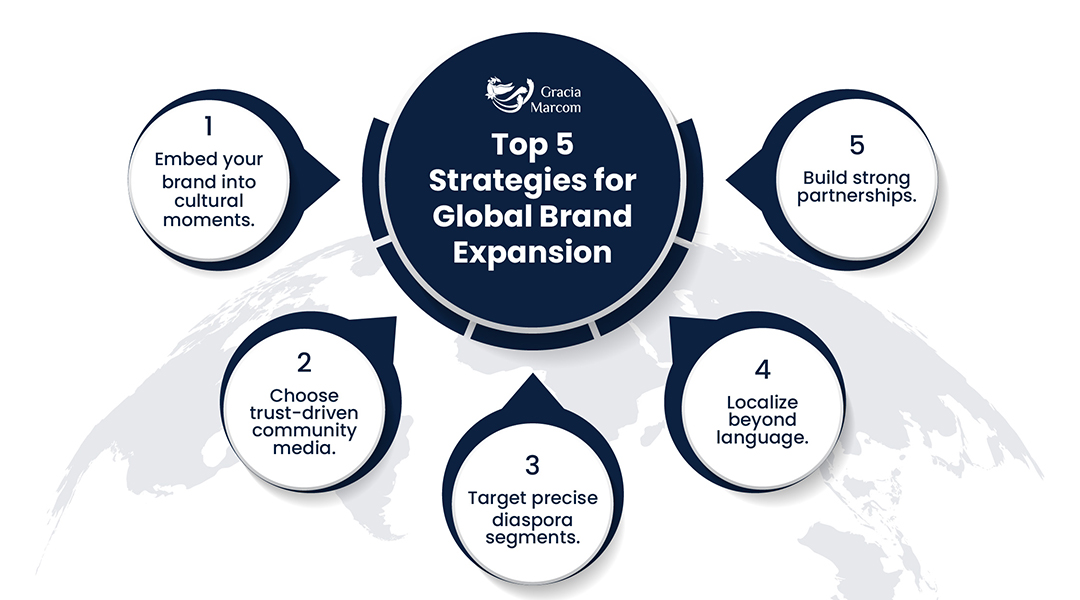
Here are five strategies that help brands not just enter international markets, but truly belong in them:
1. Integrate Your Brand Into Cultural Moments – Don’t Just Advertise Around Them
In diaspora markets, visibility isn’t enough, brands need to be experienced within the community. Participating in cultural events, community gatherings, and exhibitions helps brands show up where trust and identity already exist.
By integrating into these spaces – through sponsorships, activations, or on-ground presence, brands create real interactions, not just impressions. This builds familiarity and emotional connection, making the brand feel relevant and culturally aligned.
Over time, consistent presence in such community touchpoints drives stronger recall, credibility, and acceptance, positioning the brand as part of the diaspora, not an outsider. This method helps brands create a steady and strong base.
For NRI communities, events like India Day Parade draw upwards of 150,000 attendees, including celebrities, dignitaries, and community leaders. These gatherings are high-intent cultural touchpoints where identity, pride, and community bonding come together.
They offer brands direct access to a concentrated, highly engaged audience in a trust-rich environment. Brands get immersive visibility, driving stronger recall, faster acceptance, and meaningful word-of-mouth within the diaspora ecosystem.
2. Leverage Trusted Community Media Channels
In diaspora marketing, trust plays a far greater role than reach alone. Audiences are highly perceptive and often skeptical of generic or surface-level messaging.
Community-driven platforms – such as newsletters, local publications, and association-led media, often have deeply engaged audiences who truly value authenticity.
Being present in these spaces allows brands to communicate in a more credible and organic way. Instead of interrupting the audience, the brand becomes part of a trusted ecosystem, leading to better engagement and stronger long-term relationships.
Take the bi-weekly newsletter published by the Federation of Indian Associations (FIA), which reaches over 100,000 engaged subscribers. These aren’t passive scrollers. They are business owners, decision-makers, and community pillars in the USA who have extended genuine trust to this publication over years. An open rate of 35%, nearly triple the industry average, tells you everything you need to know about the quality of this audience.
3. Build Performance Marketing Around Diaspora Segments
While digital platforms like Meta and Google operate globally, the way audiences respond to campaigns varies significantly by region and cultural context.
An experienced marketing agency with over a decade of working in the US market understands diaspora audiences deeply – their behaviour, preferences, interests, and buying patterns. This helps in creating more accurate audience segments and relevant messaging.
Instead of broad targeting, campaigns are built on real audience understanding – resulting in better engagement, higher conversions, and more efficient ad spend.
4. Focus on Localization, Not Just Translation
A common mistake in global expansion is assuming that translating existing campaigns is enough. In reality, effective localization goes much deeper.
It involves adapting your brand story to align with the emotional and cultural context of your audience. For diaspora consumers, this often means balancing heritage with modern, global identities.
Strong localized storytelling considers:
- Cultural references and emotional triggers
- Tone of communication
- Visual identity and representation
- Product positioning within the local context
Brands that get this right create a sense of familiarity and relevance, making audiences feel understood rather than targeted.
5. Start With Research, Then Build Strategic Partnerships
Many brands struggle in international markets not because of poor execution, but because they move forward without sufficient understanding of the market.
Thorough research should always come first. This includes:
- Consumer behavior and preferences
- Competitive landscape
- Regulatory environment
- Product-market fit in the new geography
Equally important is building the right network of partners, whether for compliance, operations, or marketing. Strong local partnerships help brands navigate complexity more efficiently and avoid costly missteps.
The Bottom Line
Global expansion is not just about entering a new market, it’s about earning relevance within it.
The brands that succeed are those that prioritize cultural understanding, invest in localization, and build genuine connections with their audience. Those that rely on generic, one-size-fits-all strategies often struggle to gain traction.
In an increasingly connected yet culturally diverse world, the difference lies in how well a brand listens, adapts, and integrates itself into the lives of its audience.
Ready to take your brand global – the right way?
At Gracia Marcom, we’ve spent 13+ years building bridges between Indian brands and NRI audiences across North America and beyond. From cultural event integrations and community media placements to performance marketing and localized brand storytelling, we don’t just understand international brand strategy, we live it.
Contact us now and let’s build your global brand story together.
FAQs
1. What is the most effective way for Indian brands to expand globally?
There’s no shortcut to global success. The brands that grow internationally are the ones that take time to understand people, not just markets. It’s about showing up in the right cultural spaces, speaking in a way that feels familiar, and building trust before pushing sales. When brands combine local insights with consistent on-ground and digital presence, growth follows more naturally and sustainably.
2. Why is diaspora marketing important for global brand expansion?
Because diaspora audiences already “get” you. They understand the culture, the product, and the story behind the brand. That makes them far more likely to trust, try, and recommend. In many cases, they become your first real customers abroad, and your strongest advocates as you grow in a new market.
3. How is localization different from translation in international marketing?
Translation changes words. Localization changes how your brand feels.
You can say the same thing in English, but if it doesn’t connect emotionally or culturally, it won’t work. Localization is about making your brand feel relevant in that market, through the right tone, visuals, and context, so it doesn’t feel imported, it feels familiar.
4. Which marketing channels work best to reach NRI audiences in the US?
What works best is a mix. Community platforms like local associations, newsletters, and cultural events build trust. Digital platforms like Meta and Google help you scale. When both come together, trust + reach, you don’t just get visibility, you get real engagement.
5. What are the biggest mistakes brands make when entering international markets?
The biggest mistake is assuming what worked in India will work everywhere else. Skipping research, ignoring cultural nuances, and running generic campaigns usually leads to poor results. Brands that succeed are the ones that listen first, adapt quickly, and invest in the right local partnerships.