![]()
Content repurposing has evolved from a nice-to-have tactic to an essential strategy for brands seeking to maximize their digital footprint in 2025. With increasing content production costs and shrinking attention spans, smart marketers are finding innovative ways to extend the lifespan and reach of their high-performing content. This comprehensive guide explores how content repurposing can transform your marketing strategy, helping you work smarter not harder,while delivering impressive results across multiple channels.
What Is Strategic Content Repurposing?
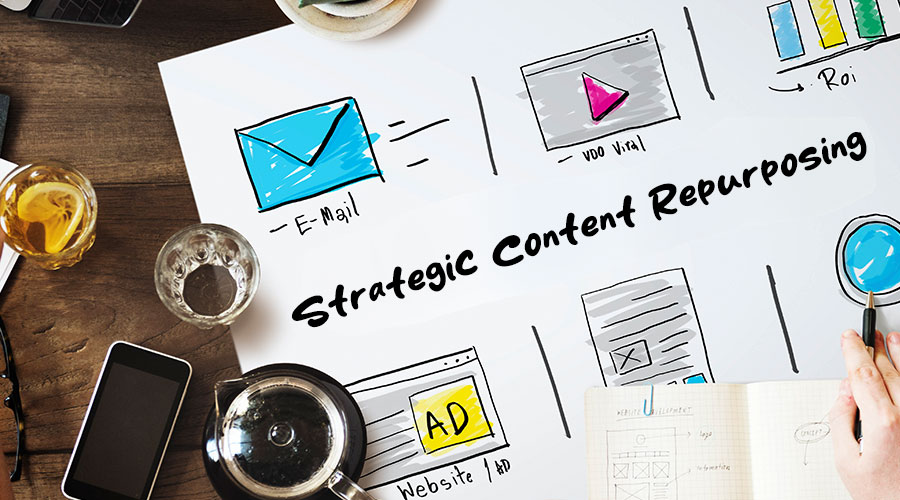
Content repurposing isn’t simply recycling old material, it’s the thoughtful transformation of valuable content into different formats, tailored for various platforms and audience segments. This approach allows your core messages to reach wider audiences while reinforcing your brand’s authority across the digital ecosystem.
Why Your Brand Needs a Content Repurposing Strategy
Dramatically Increases Content ROI
Content creation requires significant investment of time, expertise, and resources. Repurposing multiplies your return on this investment by extracting maximum value from each piece of content you produce. A single comprehensive blog post can become a podcast episode, social media carousel, video tutorial, and email series, each reaching different segments of your audience.
Strengthens Content Consistency
When your core message appears consistently across platforms in various formats, it reinforces your brand positioning and key value propositions. This repetition presented in fresh, platform-appropriate ways helps your audience internalize and remember your message.
Expands Audience Reach
Different people consume content differently. Some prefer reading in-depth articles, while others gravitate toward visual content or audio formats. By repurposing content across formats, you connect with audience members regardless of their content consumption preferences.
Enhances SEO Performance
Strategically repurposed content creates multiple entry points to your brand across search engines and platforms. When executed properly, this approach improves your domain authority, increases backlink opportunities, and helps you rank for a wider variety of relevant keywords.
Proven Content Repurposing Frameworks That Drive Results
The Content Pillar Approach
Start with creating comprehensive, authoritative “pillar” content on topics central to your brand’s expertise. From these pillars, extract:
- Bite-sized social media posts highlighting key statistics or insights
- Visual infographics summarizing main points
- Short-form videos explaining core concepts
- Podcast episodes expanding on the topic
- Email newsletter series diving deeper into specific aspects
The Cross-Platform Optimization Method
This approach focuses on adapting content to match the unique requirements and audience expectations of different platforms:
- LinkedIn: Professional perspective with industry insights
- Instagram: Visual storytelling with compelling imagery
- TikTok: Short, entertaining demonstrations or explanations
- YouTube: In-depth tutorials or thought leadership
- Pinterest: Instructional or inspirational imagery with clear CTAs
How to Identify High-Value Content Worth Repurposing
Not all content deserves repurposing. Focus your efforts on content that:
- Has performed exceptionally well with your audience
- Contains evergreen information that remains relevant over time
- Addresses common pain points or questions in your industry
- Showcases your unique approach or methodology
- Presents complex information that benefits from multiple formats
Best Practices for Effective Content Repurposing
Maintain Quality While Adapting Format
When repurposing, never compromise on quality. Each version should be optimized for its platform rather than feeling like a degraded copy of the original.
Refresh Data and Examples
Before repurposing older content, update statistics, examples, and references to ensure continued relevance and accuracy.
Consider the User Journey
Repurpose content strategically based on where it fits in the customer journey—awareness, consideration, or decision stages and adapt accordingly.
Track Performance for Continuous Improvement
Monitor which repurposed formats perform best for different topics, and refine your approach based on audience engagement and conversion metrics.
Common Content Repurposing Challenges and Solutions
Challenge: Maintaining Brand Consistency
Solution: Create a repurposing style guide that ensures visual and tonal consistency across all formats while allowing for platform-specific adaptations.
Challenge: Avoiding Content Fatigue
Solution: Space out repurposed content strategically and ensure each version provides unique value rather than simply repeating the same information.
Challenge: Limited Resources
Solution: Start with your highest-performing content and develop a systematic, prioritized approach to repurposing that maximizes impact with minimal resources.
How to Measure Content Repurposing Success
Track these key metrics to evaluate the effectiveness of your repurposing strategy:
- Cumulative reach across all content versions
- Engagement rates on different platforms
- Traffic sources and user journey paths
- Conversion rates from repurposed content
- Time and resource savings compared to creating entirely new content
FAQ
How often should I repurpose existing content?
Repurpose high-performing content whenever it makes strategic sense typically every 6-12 months for evergreen topics, or whenever significant industry changes occur that warrant updates.
What content formats typically perform best for repurposing?
Video content offers exceptional repurposing value, as it can be broken down into short clips, audio podcasts, transcribed articles, and visual quotes or infographics.
Can repurposing hurt my SEO with duplicate content issues?
When done properly, repurposing avoids duplicate content penalties by significantly adapting the material for different purposes and platforms rather than publishing identical content.
Should I repurpose content from other brands?
Focus on repurposing your own original content. While you can reference others’ work with proper attribution, the greatest value comes from extending the life of your own intellectual property.
How can I repurpose content efficiently with limited resources?
Create templates for common repurposing paths, build a content component library for easy reassembly, and consider using AI tools to assist with initial transformations before applying human refinement.
Conclusion: The Future of Strategic Content Marketing
As content creation costs continue to rise and audience attention becomes increasingly fragmented, brands that master content repurposing will gain significant competitive advantages. By thoughtfully transforming valuable content across formats and platforms, you can build a more sustainable content ecosystem that consistently engages your audience while maximizing your marketing ROI.
The most successful brands aren’t necessarily creating more content, they’re creating smarter content strategies that extract maximum value from their best ideas. Start by identifying your top-performing assets and experimenting with different repurposing approaches to discover what resonates most with your audience.