![]()
There’s no longer a salesperson ringing your doorbell in the afternoon, disturbing your mom’s nap (or yours) just to say, “Hey, this is our product!” Or sometimes, you’d even get those random calls saying,
“Hello, this is our product/service, have a look!”
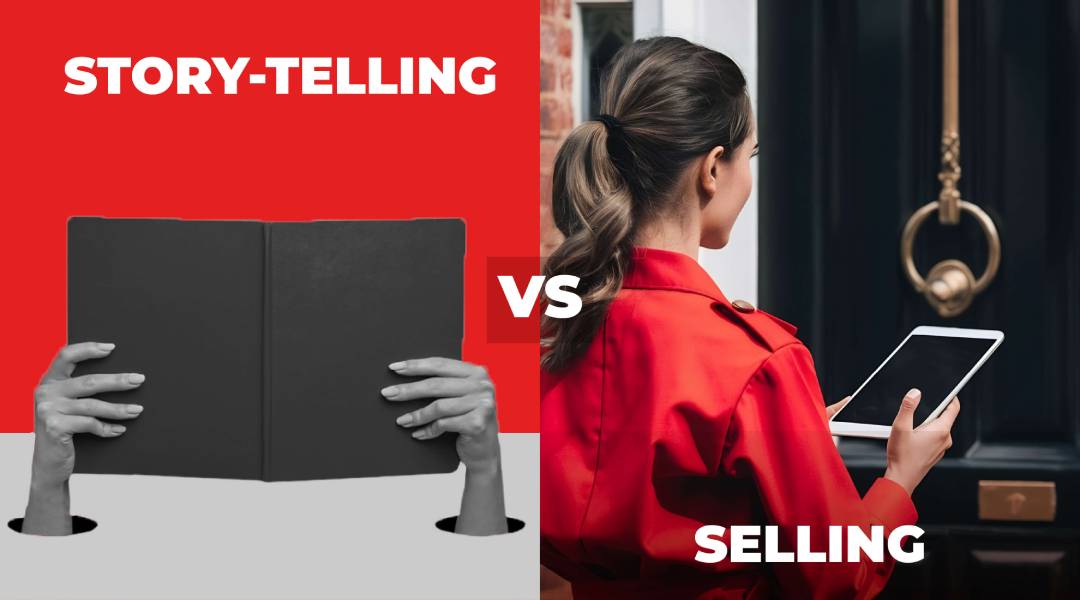
Those days are gone. Now, people and brands don’t just sell in neighbourhoods; they’re famous on the internet, where the entire world can see their products and stories. This is just a glimpse of how advertising has shifted from selling to storytelling. This shift from selling to storytelling is shaping the future of advertising. In this blog, we’ll explore the difference between the twoand don’t worry, I promise to keep it interesting!
Selling – The Traditional Approach
We all know that one person in life who talks in super short sentencesno time waste, no extra conversation. Straight to the point. Isn’t that time-saving? Well, that’s exactly how selling works.
Hard-selling is the traditional style of advertising where the focus is only on the product and pushing people to buy it immediately. It’s direct, promotional, and leaves little room for emotions or storytelling.
Examples?
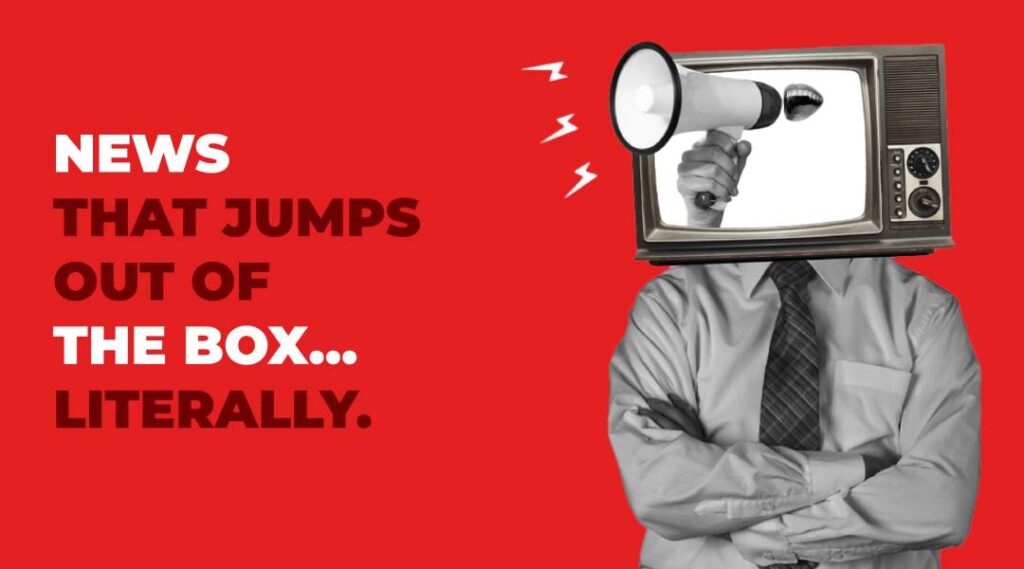
TV ads shouting “Buy One Get One Free!”
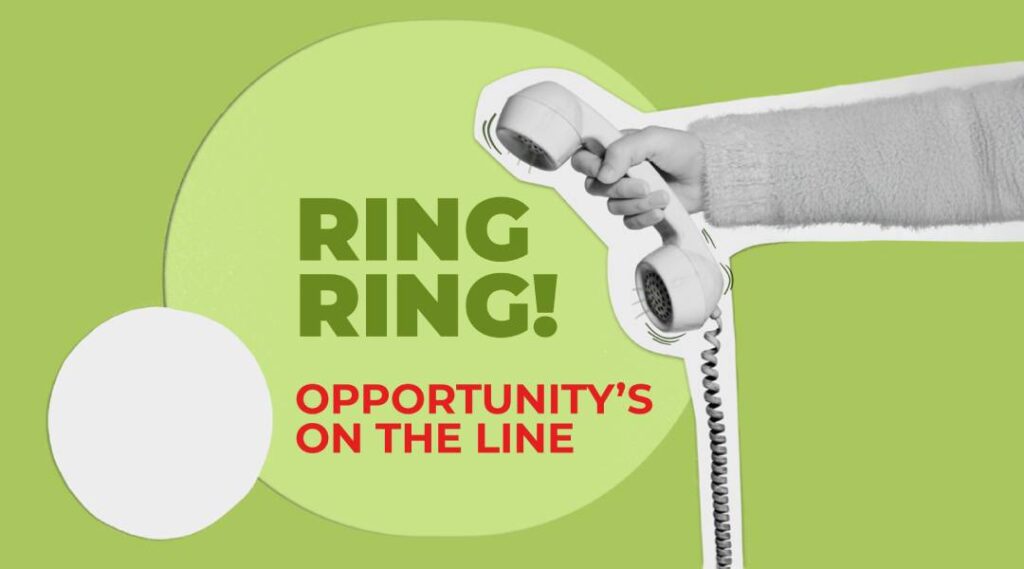
Cold calls with “Sir/Ma’am, have you checked our new offer?”
Newspaper pamphlets full of discounts.

What are the benefits?
- Saves time for decision-making
Tum bolterahogetoh decision kablege? Sometimes short and clear works bestjust “This is the product; do you want it or not?”
- Calls can be more effective than texts
Not everyone is glued to their phone all day. Some people aren’t “text people.” For them, a quick call saying, “Hey ma’am/sir, please see our product” can actually work better.
(Meme line: I’m not a text person, call me).
- Cuts through the noise of notifications
Let’s be honestpeople get 100+ promo texts daily. Most are swiped away without even opening. In such cases, a call feels more professional and direct, even if the person doesn’t always pick up. At least it feels like a genuine attempt to connect.
Limitations of Selling!
- Feels pushy: Customers don’t like being forced. (In short: thoda time do yaar, decision lene do!)
- Reduces brand love: People don’t just buy products; they buy promises and stories.
- Doesn’t build loyalty: “Tumseacha discount agar kahin aur mil gaya, tohwohunkehogayesamjho.”
Storytelling in Advertising
I know you’ve also had this experiencewithout a bedtime story, we just couldn’t sleep, right? We always asked our grandparents to tell us one more story before bed, because without it, sleep didn’t come. And yeah, sometimes it was the same old story repeated, but still, we believed it and loved it.
That’s the power of storiesthey become (परंपरा)(tradition). They shape how we think, feel, and remember things.
Think about it: “Ek tha raja, ek thi rani…” nostalgic, isn’t it? You probably still remember those tales because they carried emotions, values, and imagination.
Marketing today works the same way. Storytelling in advertising is just like those bedtime storiespeople don’t remember the product alone; they remember the story around it. And that’s what makes a lasting impact.
Benefits of Storytelling in Advertising
1) Builds emotional connection:
People connect with People.
People connect with Stories.
People connect with Emotions.
Go where your people are!
Yes, storytelling builds product visibility.
Do you remember Nescafé stories? What a vibeit’s not just about drinking coffee; it’s about achieving your dreams.
For example, there’s one ad where a girl wants to go out of town to study, but her dad is hesitant. She sits with him over a cup of Nescafé, talks about her dreams, and slowly convinces him. The coffee becomes the bridge between their emotionsdad’s love and daughter’s aspirations.
See? The ad isn’t screaming “Buy Nescafé!” Instead, it’s saying: “Nescafé is a part of your journey, your dreams, your conversations.” And that’s how stories make us remember the brand.
2) Builds emotional connection:People might forget taglines, but stories? Never. That’s how strong connections are built. Think about Vodafone’s ZooZoos or Surf Excel’s “DaagAchhe Hain” campaignsyears later, you still remember the stories behind them, not just the product details.That’s the real magic of storytellingit stays in your mind long after the ad is gone.
3) Creates long-term brand affinity
When people connect with your story, they stay with your brand longer. Nike doesn’t just sell shoesit sells courage, motivation, and the spirit of
“Just Do It.” That’s why customers remain loyal even when cheaper options are available.
Limitations of Storytelling in Advertising
1. Takes more time, creativity, and investment:Let’s be honestcreating a storytelling campaign is not as easy as throwing a “50% OFF” banner on Instagram. Stories need scripts, characters, emotions, production, maybe even celebrities! That means more planning, more money, and more creativity. Not every brand can afford to run such campaigns all the time.
2. ROI is harder to measure in the short term:If you run a discount ad today, you’ll instantly see sales spikeeasy ROI. But storytelling? It works differently. It plants the seed of brand love in people’s minds. Someone may watch your ad today, feel connected, and only make a purchase months later. The impact is long-term, which makes it harder to measure success immediately.
The Consumer Shift
Today’s consumers are not like before. We live in a world where attention spans are shrinkingpeople swipe, skip, and scroll faster than ever. But here’s the catch: while people spend less time on ads, they actually crave more authentic connections.
That’s why younger generations, especially Gen Z and Millennials, love brands that tell meaningful stories. Campaigns that highlight sustainability, diversity, or social causes stick with them. Think of how brands like Patagonia talk about protecting the planet or how Dove champions “real beauty.” These stories aren’t just adsthey’re values people want to be part of.
But here’s the contrast: older generations like Boomers often prefer traditional selling. They’re more likely to respond to clear product benefits, offers, or discounts, especially in categories like healthcare, finance, or household essentials. For them, it’s less about the story and more about trust, reliability, and value.
In short: the market is splitstorytelling wins hearts of the young, while straightforward selling still works for the old. Smart brands balance both.
What this part means:
- Attention spans shrinking → People scroll fast, skip ads in 5 seconds. So brands need to grab attention quickly.
- But people crave authenticity → Even though attention is short, if your brand is real, relatable, and meaningful, people stop and listen.
- Gen Z & Millennials → They want brands that stand for something (sustainability, equality, purpose-driven campaigns). Example: Patagonia (sustainability), Dove (real beauty).
- Boomers → They still respond better to straightforward product benefits, discounts, or direct selling, especially in categories like healthcare, finance, or household products.
What Really Works Today
The truth is, it’s no longer storytelling vs. selling it’s a blend of both. The winning formula today is:
Sell the story, not just the product.
Create emotional narratives, but make sure there’s a subtle nudge toward action (a CTA). Because while people love stories, at the end of the day, you still want them to download the app, buy the product, or sign up.
Take Zomato’s ads for example quirky, witty, and meme-driven. They tell
mini-stories in one line, make you laugh, and then land a direct CTA like “order now.” That’s storytelling + selling, all rolled into one.
At the end of the day: People don’t like being sold tobut they love a good story, a good laugh, and a brand that gets them.
Conclusion
We’ve come a long way from door-to-door pitches and cold calls. Today, advertising lives in memes, reels, stories, and campaigns that make us stop scrolling. It’s not about interrupting people anymoreit’s about inviting them in.When brands tell stories, they create trust, emotion, and recall. When they sell smartly, they drive action and results. The real magic happens when the two work together. So, as we step into the future, one thing is clear: people don’t want another sales pitchthey want a story worth remembering. And the brands that master this will not just sell products, but win hearts.
FAQs
Is selling completely outdated in today’s advertising world?
Not at all. While storytelling is more effective with younger audiences, selling still works—especially for older generations or in industries where people need quick, clear product benefits (like healthcare, finance, or household goods). The best strategy today is a balance of both.
Why is storytelling more powerful than direct selling?
Because stories tap into emotions. People may forget discounts or offers, but they remember a story that made them feel something. Storytelling builds trust, emotional connection, and long-term loyalty.
Can small businesses afford storytelling campaigns?
Yes! Storytelling doesn’t always mean expensive ads with celebrities. A small business can tell stories through Instagram reels, customer testimonials, behind-the-scenes posts, or even a relatable meme. It’s about creativity, not just budget.
How do I know if my brand needs storytelling or selling?
It depends on your audience. If you’re targeting Gen Z and Millennials, focus more on stories and values. If your customers are Boomers or prefer practical decisions, clear selling with benefits and offers may work better. A mix is often the smartest move.
What’s the secret to combining storytelling and selling?
Keep the story at the center but add a subtle call-to-action (CTA). For example: tell a story about how your product solves a real problem, then end with “Shop now,” “Try it today,” or “Download the app.” This way, you connect emotionally and drive sales.