
![]()
Cringe marketing is a modern advertising approach where brands intentionally use awkward or self-aware content to engage audiences.That has to be crafted perfect by a digital marketing agency to avoid backlash and pitfall that can lead to boycotting a brand.
What is Cringe Marketing?
Cringe marketing is one of the marketing tactics that involves brands showcasing awkward, embarrassing, or socially uncomfortable situations intentionally to capture attention.
Instead of polished, perfect ads, these campaigns embrace imperfection, self-aware humor, and even a bit of chaos to stand out in a crowded digital space.
By embracing imperfection, this strategy builds relatability and authenticity, appealing strongly to Gen Z. consumers who value real, unfiltered connections.
Why Cringe Marketing Works
In this endless scrolling era, where we are constantly searching for dopamine hits, something that pops up as unusual or flawed, that makes you say “bapreeeee, kyabaatkarraheho, they posted this?” makes the human to share it because perfect brands are not trusted among the mass, cringe marketing brings trust trough its flawed side.
Cringe marketing sparks engagement through humor, awkwardness, and surprise, something that is unusual or strange catches most attention often becoming highly shareable content that spreads organically across social media. It creates emotional bonds, turning awkwardness into loyalty and trust.
Top cringe marketing examples from global and Indian brands:
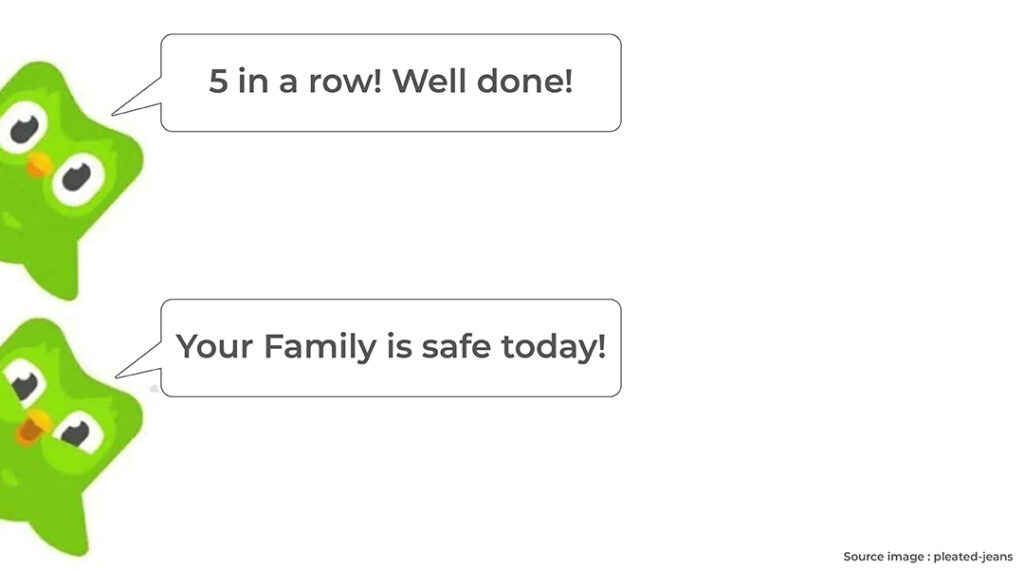
- Duolingo’s green owl mascot on TikTok embraces chaotic, meme-like antics, creating a personality that users enjoy interacting with beyond just language learning.
- Tinder India: Their “Single Not Sorry” campaign celebrated the awkwardness of modern dating in India, using light-hearted cringe situations to connect with young singles navigating relationships. This campaign’s playful awkwardness resonated well with an audience that appreciates honesty and humor around social norms like dating.
- Amul: With its long tradition of topical and often cheeky marketing, Amul’s mascot and quirky ads continue to entertain by blending smart cultural commentary and cringe effects, making it an enduring favorite across generations.

- Canva adopts cringe humor by sharing intentionally bad design memes to draw attention while promoting its design tools subtly.
- Swiggy: The food delivery giants leverage meme culture and cringe humor on social platforms like Instagram and TikTok to engage young consumers. Swiggy’s “Voice of Hunger” challenge encouraged users to share quirky food sounds, generating massive engagement by tapping into awkward but funny everyday moments.
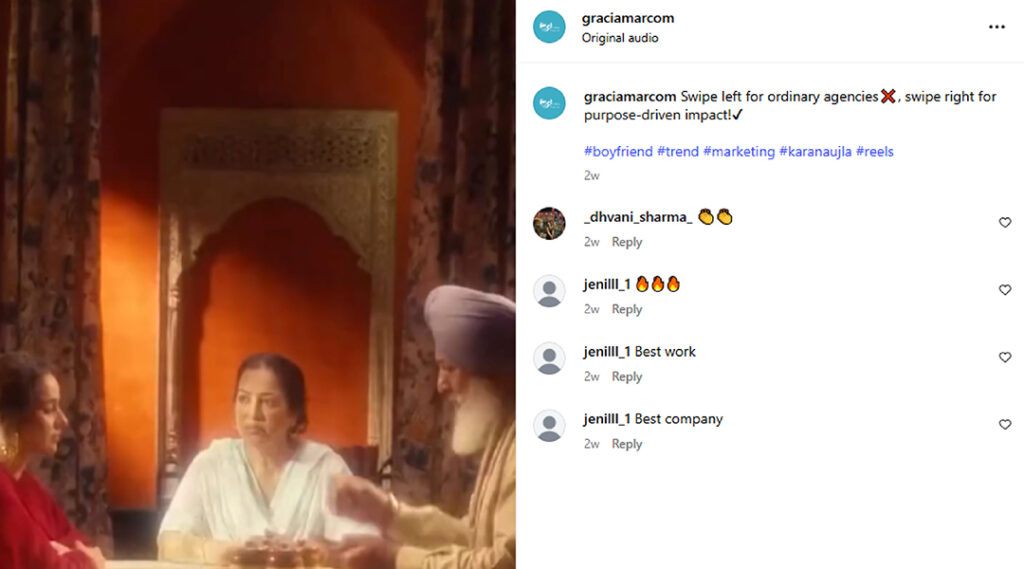
- Gracia Marcom: With anexceptional experience of great and precise marketing, Gracia Marcom’s informative plus creative ads continue to entertain by blending smart,informational and cringe effects, making it an best digital-marketing agency in Ahmedabad.
Whether you’re a startup or partnering with a digital marketing agency in India, try these:
- Embrace authenticity and self-aware branding by acknowledging awkwardness or imperfections openly.
- Use humor and exaggerated awkward moments to create meme-worthy, shareable content.
- Engage audiences with candid, conversational, and even “breaking the fourth wall” styles.
- Build niche communities or fandoms based on shared inside jokes, memes, and relatable awkwardness.
Cringe Marketing Risks & Backfires
Every coin has two sides, cringe marketing walks a razor-thin line: it thrives on bold, awkward humor or nostalgia to grab attention and spark shares, but crossing into insensitivity or vulgarity risks alienating audiences and sparking backlash.
When executed with self-awareness—like Duolingo’s chaotic TikTok skits or Wendy’s savage roasts—it builds relatability and virality by humanizing brands. However, misjudging cultural norms turns playful edginess into offense, leading to boycotts or bans as public outrage amplifies on social media.
Here are few examples of a brand that crossed a bit too line and dug their own grave.
- Tanishq Interfaith Baby Shower Ad: Depicted a Hindu woman at a Muslim family’s baby shower, accused of promoting “love jihad”; faced massive trolling with #BoycottTanishq, forcing the ad’s withdrawal despite intentions of harmony.
- OYO Rooms – “God is Everywhere, and So is OYO”: Slogan seen as disrespecting religious sentiments by comparing hotel presence to divinity; drew significant backlash for insensitivity.
- Zomato “Pure Veg” Campaign: Accused of discriminating against non-vegetarians by segregating delivery; pulled after backlash on caste and dietary biases.

- Kent RO Water Purifier Ad: Showed Hema Malini and Esha Deol claiming the machine replaces maids kneading dough; slammed as discriminatory against housemaids during COVID-19 job losses, quickly pulled with apology.
- Fem Bleach Karwa Chauth Ad: Modernized rituals in ways that upset traditionalists; criticized for challenging cultural norms.
In short, cringe marketing leverages the power of relatable awkwardness to cut through noise, foster emotional connections, and build loyalty by making brands feel more human and less like faceless corporations in today’s digital world when used correctly.
Thinking of trying cringe marketing but worried about crossing the line? Partner with a purpose-driven marketing agency that knows how to keep it bold, human, and culturally sensitive—without sparking a boycott.
Work with a purpose-driven marketing agency to nail it.
FAQs
Is Cringe Marketing Good for Every Brand?
No, cringe suits playful, youth-focused brands like Duolingo but risks undermining luxury or professional identities where polish builds trust. Purpose-driven agencies assess audience fit first.
What Platforms Work Best for Cringe Marketing?
TikTok and Instagram excel for short, chaotic videos; Twitter/X suits sarcastic roasts like Wendy’s. Avoid LinkedIn where professionalism trumps awkwardness.
How Do You Avoid Cringe Marketing Fails?
Test with audience research, stay self-aware, and respect cultural norms to prevent backlash like Pepsi’s tone-deaf ad. Partner with experts for safe execution.
What’s the Psychology Behind Cringe Marketing?
It triggers “benign violation”—awkward yet harmless scenarios sparking empathy, laughter, and shares via shared social anxieties. This drives virality for relatable brands.
Can Small Brands Use Cringe Marketing?
Yes, startups compete via low-cost memes and user challenges, like Swiggy’s hunger sounds, building fandoms organically. Start small to gauge reactions.