![]()
For Indian brands today, global expansion is no longer a distant ambition, it is a strategic growth imperative. With millions of Non-Resident Indians (NRIs) living across the United States, the United Kingdom, Canada, Australia, and the Middle East, the demand for Indian products, cultural experiences, and heritage-driven brands continues to grow rapidly.
From food pre-mix brands to handicrafts, wellness products, fintech or edtech services, jewellery business expansion and real estate investments, Indian businesses in various sectors have a unique opportunity to tap into diaspora markets that value authenticity and cultural connection.
However, entering international markets requires far more than simply exporting products. Successful expansion demands a structured market entry strategy built on cultural understanding, strategic brand positioning, audience segmentation, and targeted diaspora engagement.
This is where a specialized diaspora marketing agency plays a crucial role, helping brands bridge the gap between Indian businesses and global NRI audiences by building brand awareness, positioning, trust, and cultural relevance.
Why Entering the NRI Market Is a Strategic Growth Opportunity?
Indian brands across multiple sectors are witnessing increasing demand from overseas Indian communities.
NRIs often seek products and services that help them maintain a connection with their cultural roots while living abroad. Whether it is traditional food, cultural experiences, heritage products, or investment opportunities in India, the diaspora market continues to expand.
Beyond emotional connection, this market also represents strong economic potential.
NRI consumers typically have higher purchasing power and prefer brands that reflect authenticity, quality craftsmanship, and cultural credibility. For brands that position themselves effectively within diaspora communities, markets like the United States can become high-value, long-term revenue channels with strong ROI.
Key Challenges Brands Face When Entering International Markets
Despite the opportunity, many promising brands struggle to scale globally due to gaps in strategy and execution. The challenge is rarely the product, it is the market entry method.
1. Lack of Brand Awareness
Even well-established brands in India often enter international markets with little recognition among overseas consumers. Without familiarity or visibility, brands struggle to gain initial traction.
2. Cultural Disconnect in Marketing
Marketing campaigns designed for domestic audiences do not always resonate with diaspora consumers. Messaging, tone, platforms, and communication styles must be adapted to reflect the cultural context of NRIs living abroad.
3. Poor Audience Targeting
The diaspora is not a single unified group. Without clear audience segmentation, brands risk investing heavily in broad campaigns that fail to reach the right consumers.
4. High Customer Acquisition Costs
Marketing in markets like the United States can be significantly more expensive than in India. Without precise targeting and strategic positioning, brands often spend heavily without achieving measurable results.
5. Lack of On-Ground Community Presence
Trust plays a central role in diaspora purchasing behavior. Brands that lack visibility within community networks and cultural gatherings often struggle to build credibility among overseas consumers.
Why Does a Diaspora Marketing Strategy Make the Difference?
The success or failure of a global market launch often depends on choosing the right cultural marketing partner.
A specialized NRI marketing agency understands diaspora demographics, consumer behavior, and cultural ecosystems. By combining audience insights with community engagement, brands can build meaningful connections with overseas Indian consumers.
Several strategic approaches that we implement can significantly accelerate a brand’s international entry.
Audience Segmentation Strategy
The first step in diaspora marketing is recognizing that the NRI audience is highly diverse. Effective market entry begins with clear audience segmentation.
First-Generation NRIs (Age 35–55)
This segment typically maintains a strong emotional connection with India. They actively seek authentic Indian products, traditional food brands, cultural experiences, Indian crafted accessories and real estate investment opportunities.
Young Professionals (Age 25–40)
This modern diaspora segment values convenience, premium quality, and brands that combine Indian heritage with contemporary global lifestyles.
Second-Generation Indians (Gen Z and Millennials)
This group is less driven by nostalgia and more by cultural exploration. Their engagement with India often comes through festivals, fashion, entertainment, and modern interpretations of Indian culture.
By tailoring messaging and brand experiences to these distinct segments, companies can significantly increase relevance and accelerate their entry into diaspora markets.
Strategic Brand Positioning for Diaspora Markets
Once the audience segments are identified, the next step is defining how the brand should be perceived within the overseas market.
Effective diaspora brand positioning connects the brand with the cultural identity, lifestyle, and purchasing behavior of Indian-origin consumers residing abroad.
Rather than relying on generic marketing strategies, brands must develop positioning that resonates culturally.
This process begins with understanding the NRI consumer mindset, including:
- Cultural preferences
- Purchasing behavior
- Community networks
- Media consumption habits
- Popular cultural events and gatherings
Based on these insights, brands can position themselves around clear identity pillars such as:
- Authenticity – highlighting heritage, tradition, and cultural roots
- Premium Quality – emphasizing craftsmanship, trust, and product excellence
- Modern Indian Lifestyle – blending Indian cultural identity with contemporary global appeal
Diaspora Event Marketing
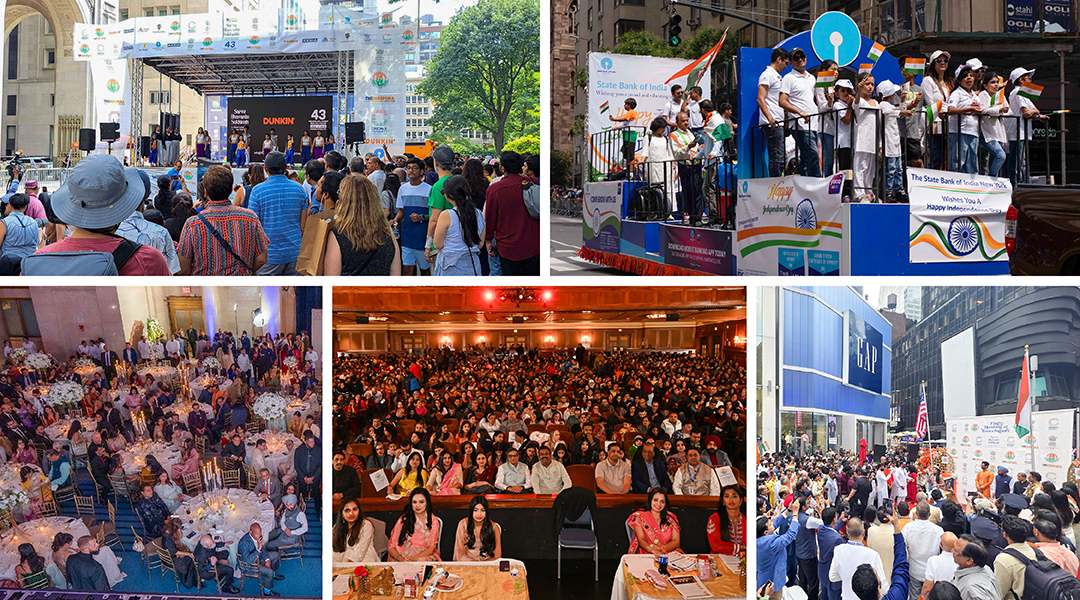
Community events play a powerful role in diaspora engagement. Cultural celebrations often bring together thousands of attendees and provide a high-impact environment for brand visibility.
Strategic brand placement within major diaspora events allows companies to interact directly with highly engaged target audiences.
Key cultural events often attract large-scale participation, including:
India Day Parade: World’s Largest Parade that is carried out in the heart of NYC. With over 1,50,000+ visitors for three consecutive years and also about 100+ celebrities and dignitaries who have honored the parade.
Times Square Flag Hoisting: During the flag hoisting ceremony at the times square more than 10,000+ spectators join the celebration, with over 5 million+ social media reach
Dance pe chance: The oldest east coast dance competition is held every year at the Patriots War Memorial Theater drawing over 2100+ audiences and with more than 2 million social media reach
And there are more such events that give a huge platform to integrate brands within the diaspora community.
Click here to download the in-detail brochure.
These events offer brands an opportunity to build immediate recognition within the community while generating strong social media visibility and organic engagement.
Community-Driven Marketing
Diaspora markets are deeply community-centric. Trust and familiarity often influence purchasing decisions more than traditional advertising.
Community-based marketing leverages established networks within Indian cultural organizations and associations.
These organizations represent large, highly engaged communities with significant collective influence.
When brands are introduced through trusted community platforms, awareness spreads organically through word-of-mouth, one of the most powerful drivers of adoption within diaspora markets.
Diaspora Media Strategy
In addition to community engagement, diaspora media platforms play a critical role in shaping brand credibility.
NRI audiences often rely on trusted ethnic media outlets, community newsletters, and regional channels for news and cultural updates.
Strategic media placements across diaspora-focused platforms help brands reach highly targeted audiences while strengthening trust and visibility.
Market Entry Models for International Expansion
In addition to marketing strategies, brands must also select the appropriate operational entry model.
Common approaches include:
Exporting
Selling products through overseas distributors or retailers while building demand through targeted marketing.
Licensing or Franchising
Partnering with local operators who produce or distribute products under the brand name while maintaining brand identity.
Joint Ventures or Strategic Partnerships
Collaborating with local companies to gain faster access to distribution channels and market knowledge.
Digital-First Market Entry
Using e-commerce platforms, diaspora marketplaces, and targeted digital campaigns to test market demand before making larger investments.
Each model offers different levels of risk, investment, and control, and the right choice depends on the brand’s long-term global strategy.
Conclusion
The global diaspora represents one of the most powerful growth opportunities for Indian brands today. However, entering international markets, particularly the United States, requires more than product availability.
Success depends on cultural relevance, precise audience targeting, strategic positioning, and meaningful engagement with diaspora communities.
Brands that invest in culturally informed market entry strategies are far more likely to build trust, accelerate adoption, and create long-term international revenue streams.
By bridging the gap between Indian brands and overseas communities, diaspora marketing enables companies to transform global expansion from a risky venture into a scalable growth strategy.
If your brand is ready to expand into the U.S. and global NRI markets, the right brand integration strategy can make all the difference.
At Gracia Marcom, we specialize in helping Indian brands enter diaspora markets through community-driven marketing, cultural positioning, and high-impact diaspora events.
Connect with us to explore how your brand can build trust, visibility, and long-term growth within global NRI communities.
FAQs
What is a market entry strategy in international marketing?
A market entry strategy is a structured plan that businesses use to introduce their products or services into a foreign market. It involves identifying target audiences, choosing the right entry model (exporting, partnerships, franchising, or digital-first expansion), and developing culturally relevant marketing strategies to build brand awareness and trust in the new market.
Why are NRI markets important for Indian brands expanding globally?
NRI markets represent a high-value consumer segment with strong purchasing power and a deep cultural connection to India. Overseas Indian communities often seek authentic Indian products, services, and investment opportunities, making them an ideal audience for brands in sectors like food, wellness, fashion, real estate, fintech, and education.
What are the biggest challenges Indian brands face when entering international markets?
Common challenges include low brand awareness in foreign markets, cultural differences in marketing communication, poor audience targeting, high customer acquisition costs, and limited presence within diaspora communities. Without a well-planned strategy, brands may struggle to build trust and visibility.
How can diaspora marketing help Indian brands grow internationally?
Diaspora marketing focuses on engaging overseas Indian communities through culturally relevant messaging, community partnerships, diaspora media platforms, and participation in cultural events. This approach helps brands build credibility, generate word-of-mouth visibility, and create meaningful connections with NRI consumers.
What are the most effective ways to reach NRI audiences in the United States and other global markets?
Brands can reach NRI audiences through a combination of diaspora event marketing, ethnic media placements, targeted digital campaigns, influencer collaborations within the community, and partnerships with cultural organizations. These channels help brands connect with highly engaged audiences.