![]()
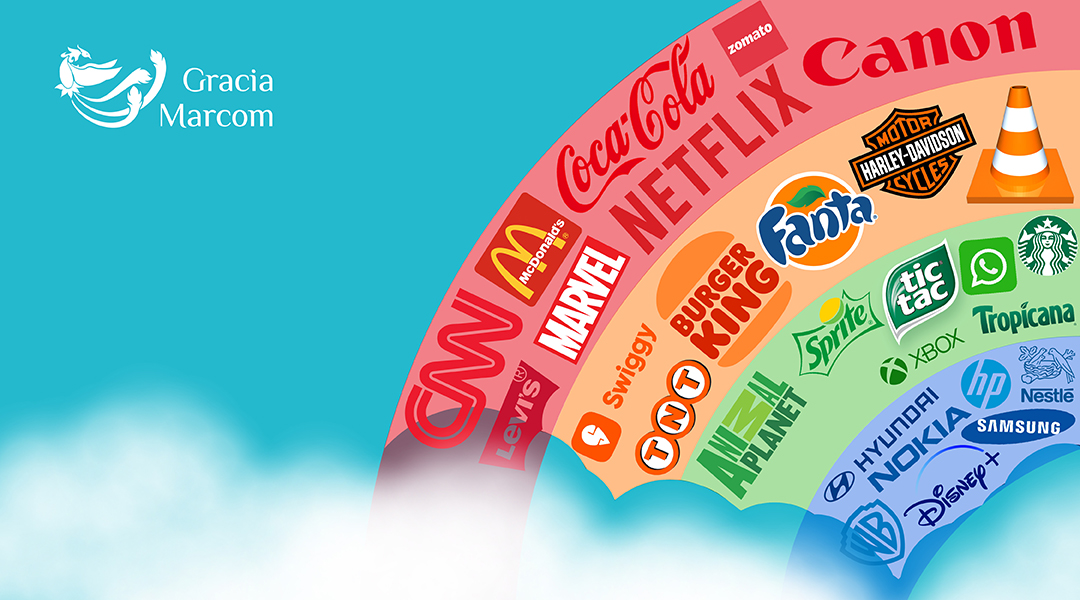
Companies strategically select colours to trigger specific emotional responses in their audience: energetic tones like red, yellow, and orange inspire enthusiasm and joy; calming shades such as blue and green convey reliability and tranquillity; and colours like black, white, and purple communicate elegance, simplicity, or imagination- all working together to define brand character and motivate consumer behaviour. The colour combination is best known by a design and creative services team that understands how to align visual choices with brand psychology.
Why Does It Matter for Brands?
When someone sees your logo, packaging, or website, their brain processes the colours before they even read a single word. This split-second emotional response can determine whether they trust your brand, feel excited about your product, or scroll right past. Smart brands and digital marketing agencies use this science to create consistent emotional experiences that align with their message and resonate with their specific audience.
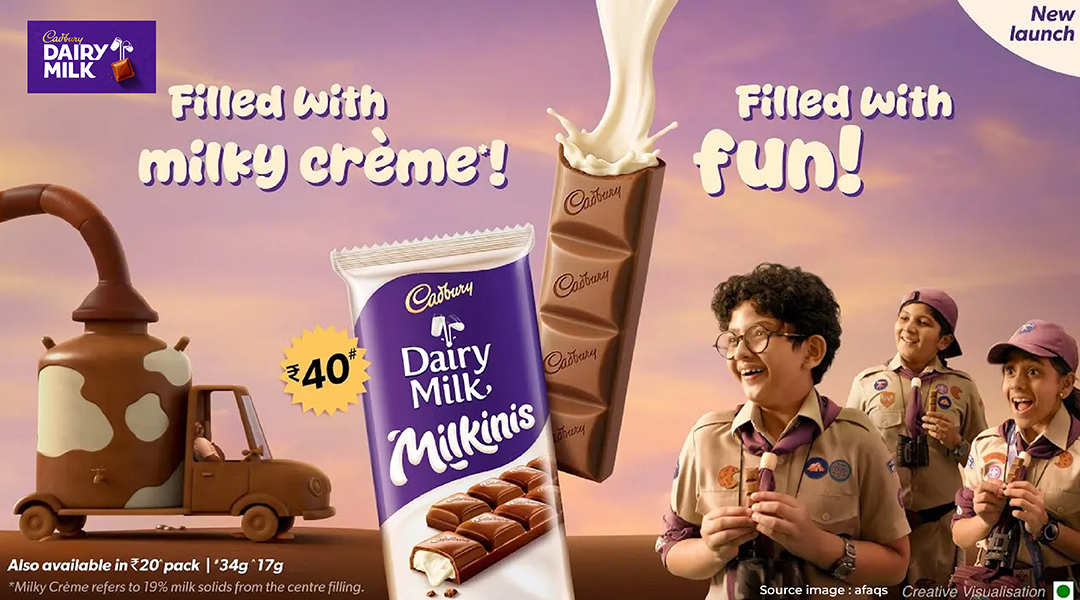
For example, when you see the purple of Cadbury Dairy Milk or the blue-and-yellow of Amul, you don’t just think about chocolate or butter-you instantly feel comfort, nostalgia, and that warm, homely “Indian” feeling. That’s colour psychology at work, turning simple visuals into emotional shortcuts that build deep brand love and lifelong loyalty
The Core Emotions Each Colour Evokes
Red: Energy, Passion, and Urgency
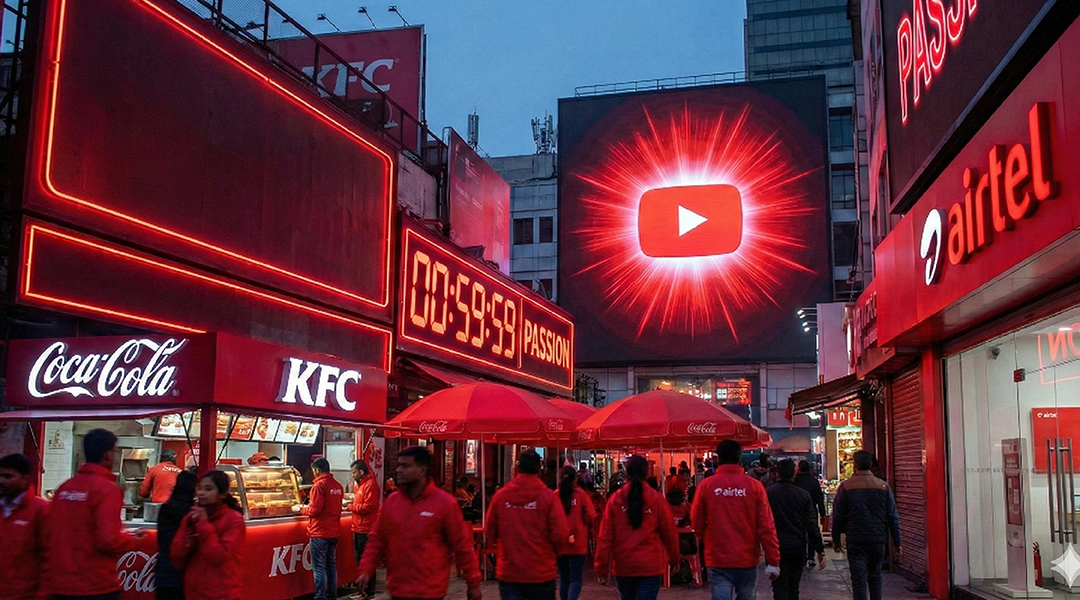
Red is the most emotionally intense colour, raising heart rates and creating a sense of urgency. Brands use red to evoke excitement, passion, and immediate action. It’s the colour of appetite stimulation (Coca-Cola, KFC), brand dominance (Airtel in telecommunications), and the energy of platforms like YouTube that keep audiences engaged. What to do: Use red when you want to grab attention quickly, create excitement around limited-time offers, or appeal to bold, energetic personalities. It works exceptionally well in food and beverage industries, entertainment, and anywhere impulse decisions matter.
Blue: Trust, Stability, and Professionalism
Blue is the most universally trusted colour, associated with reliability, security, and competence. It lowers blood pressure and creates feelings of calm and dependability. That’s why tech companies (Facebook, IBM), and healthcare brands (Oral-B) overwhelmingly choose blue.
What to do: Use blue to build trust with audiences making high-stakes decisions like financial services, healthcare choices, or business software purchases. Lighter blues feel friendly and accessible, while darker blues convey authority and expertise.
Yellow: Optimism, Warmth, and Attention
Yellow captures attention faster than any other colour and radiates warmth, positivity, and youthful energy. It stimulates mental activity and creates feelings of happiness and optimism. Brands like Maggi, Flipkart, and Snapchat use yellow to create feelings of comfort, accessibility, and everyday joy.
What to do: Use yellow as an accent colour to highlight calls-to-action, create cheerful brand personalities, or appeal to younger demographics. Be careful- too much yellow can cause anxiety or feel overwhelming. Pair it with neutrals for balance.
Green: Growth, Health, and Harmony
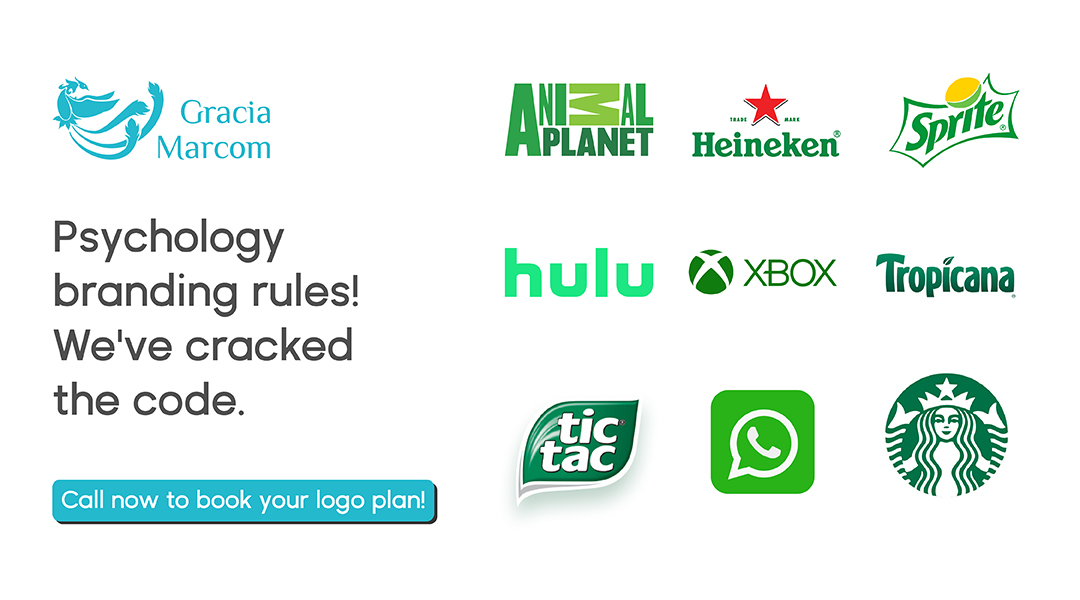
Green represents nature, health, growth, and environmental consciousness. It’s calming yet energizing, associated with wellness, freshness, and sustainability. Gracia Marcom, Starbucks, and countless eco-friendly brands use green to communicate natural values and healthy choices.
What to do: Use green when your brand values include sustainability, organic products, health and wellness, or financial growth. Bright greens feel fresh and energetic, while deep greens convey wealth and prestige.
Purple: Luxury, Creativity, and Wisdom
Purple has historically been associated with royalty, luxury, and exclusivity because purple dye was once rare and expensive. Today it evokes creativity, sophistication, and spiritual awareness. Premium brands like Hallmark and Cadbury use purple to signal quality and indulgence.
What to do: Use purple for luxury products, creative services, beauty brands, or anything targeting audiences seeking sophistication and uniqueness. It works particularly well with female audiences and creative industries.
Orange: Enthusiasm, Confidence, and Friendliness
Orange combines red’s energy with yellow’s happiness, creating feelings of enthusiasm, adventure, and approachability. It’s bold without being aggressive, confident without being corporate. Brands like Fanta, Nickelodeon, and Home Depot use orange to feel fun and accessible.
What to do: Use orange to appear friendly and energetic, especially if your competitors use more serious colours. It works well for calls-to-action, youth-oriented brands, and companies wanting to seem innovative but approachable.
Black: Power, Sophistication, and Exclusivity
Black represents power, elegance, and timeless sophistication. It creates contrast, commands attention, and signals premium quality. Luxury brands like Chanel, Nike, and Mercedes-Benz use black to convey authority and exclusivity.
What to do: Use black for high-end products, to create dramatic contrast in design, or to convey authority and professionalism. Pair it with metallic accents (gold, silver) to enhance luxury positioning.
White: Purity, Simplicity, and Cleanliness
White symbolizes purity, simplicity, and new beginnings. It creates breathing room in design and makes other colours pop. Apple’s extensive use of white communicates clean design, innovation, and sophistication through minimalism.
What to do: Use white as negative space to create modern, uncluttered designs. It works perfectly for minimalist brands, healthcare, weddings, and tech companies emphasizing user-friendly simplicity.
How to Choose the Right Colours for Your Target Audience
Understand Your Audience’s Cultural Context
Colours carry different meanings across cultures. White represents purity in Western cultures but mourning in many Eastern cultures. Red signals danger in some contexts but celebration and luck in Chinese culture. Research your specific audience’s cultural associations before committing to a colour palette.
What to do: If you’re a global brand or serving diverse communities, test colour responses with focus groups from your target demographics. When in doubt, blue remains the most universally positive colour across cultures.
Match Colours to Your Brand Personality
Your colour choices should reflect your brand’s core personality traits. Are you playful or serious? Traditional or innovative? Affordable or premium? Energetic or calming?
What to do: Create a brand personality profile first, then choose colours that authentically represent those traits. Don’t just copy successful competitors-if everyone in your industry uses blue, strategic use of a different colour can help you stand out while still conveying appropriate emotions.
Consider Gender Preferences and Age Demographics
Colour preferences vary by demographics. Research shows men prefer bold, bright colours while women often prefer softer tones. Younger audiences respond to vibrant, saturated colours while older demographics often prefer more muted, sophisticated palettes.
What to do: Analyze your primary customer demographics and choose colours that resonate with their preferences. If you’re targeting professional women 35-55, sophisticated combinations like navy with rose gold work better than neon pink. For Gen Z audiences, bold colour blocking and vibrant gradients feel more authentic.
Test Colour Combinations, Not Just Individual Colours
The magic happens in how colours work together. Your primary brand colour sets the emotional tone, but your secondary colours create depth and usability.
What to do: Create a complete colour palette with 1-2 primary colours, 2-3 secondary colours, and neutral supporting colours. Use the 60-30-10 rule: 60% dominant colour, 30% secondary colour, 10% accent colour. Test these combinations across all brand touchpoints-logos, websites, packaging, social media-to ensure consistency.
The Bottom Line
Colour psychology isn’t about random preferences or following trends-it’s about strategically using the science of emotional response to create authentic connections with your audience.
Stop wasting time looking for agencies that grasp perfect colour psychology, discover the best digital marketing agency near you.
The most successful brands choose colours that genuinely reflect their values, resonate with their specific audience’s preferences and cultural context, and remain consistent across every touch point. Your colour palette should work as hard as your messaging, instantly communicating who you are, what you stand for, and why your audience should care.
The best branding strategies combine colour psychology with deep audience understanding and consistent execution. If you’re building a brand from scratch or feeling like your current colours aren’t connecting with your audience the way they should, working with professionals who understand both the emotional science and strategic application of colour can transform how people perceive and remember your business.
FAQs
Do colours really affect purchasing decisions?
Yes, studies show that colour increases brand recognition by up to 80% and influences 85% of consumers’ purchasing decisions, making it one of the most critical elements in brand strategy.
Should I choose colours based on my personal preferences or my audience’s preferences?
Always prioritize your target audience’s preferences and cultural associations over personal taste, though successful brands find colours that authentically represent their values while resonating with their audience.
Can I use multiple colours in my brand palette without confusing my audience?
Yes, most strong brands use 3-5 colours in their complete palette-typically 1-2 primary colours for immediate recognition and 2-3 supporting colours for depth, variety, and functional design needs.
How do I know if my current brand colours are working?
Track metrics like brand recall in surveys, engagement rates on colour-coded marketing materials, and conversion rates on different coloured calls-to-action, and gather direct feedback through customer research about what emotions your brand evokes.
Is it ever worth changing my brand colours completely?
Complete colour changes are risky and should only happen if your current colours actively harm your positioning, if you’re targeting a completely different audience, or if you’re repositioning from budget to premium (or vice versa) otherwise, refinement is safer than revolution.